Author’s Note: In the fast-changing world, one in many places having urban sprawl uncreative and uniform, taking over green spaces and wildlife habitats, it is sometimes healthy and soulful to pause and reflect upon something like birds. They are in their flying moments anyhow, emancipated from all this trouble. I saw the other day a […]
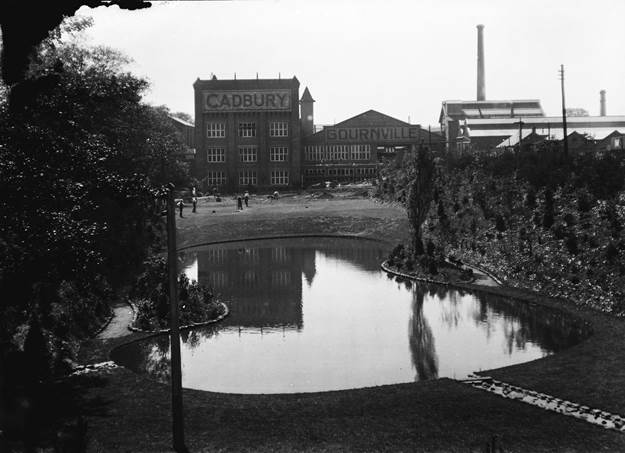
Introduction: An Industrialist Ahead of His Time In 1893, George Cadbury relocated his chocolate factory from central Birmingham to a semi-rural site that would become Bournville. His vision was radical for its time: a “factory in a garden” — where industrial production coexisted with green space, decent housing, recreation grounds and social amenities. Cadbury’s experiment […]
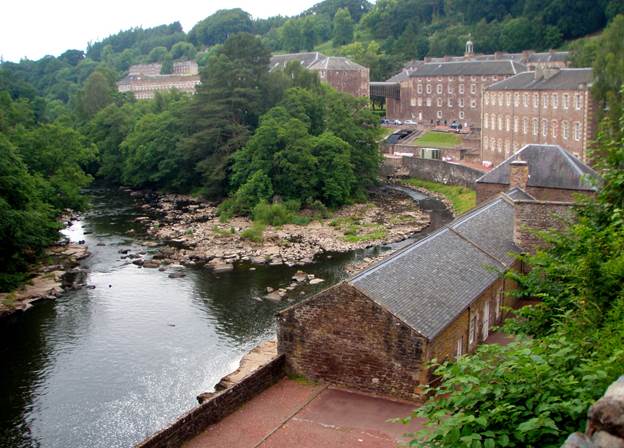
Introduction: When Planning Had Moral Courage Urban planning today is deeply technical. We debate density thresholds, infrastructure deficits and mobility efficiency. Yet nineteenth- and early twentieth-century urban reformers framed the city not merely as a logistical challenge, but as a moral project. The experiments of Robert Owen, George Cadbury and Tony Garnier were not naïve […]
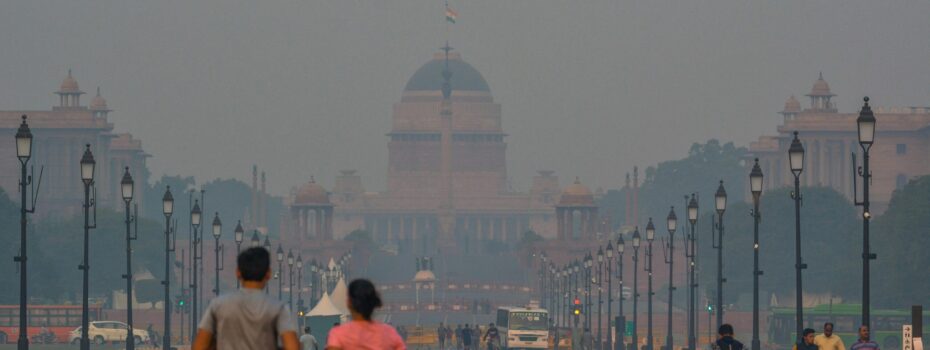
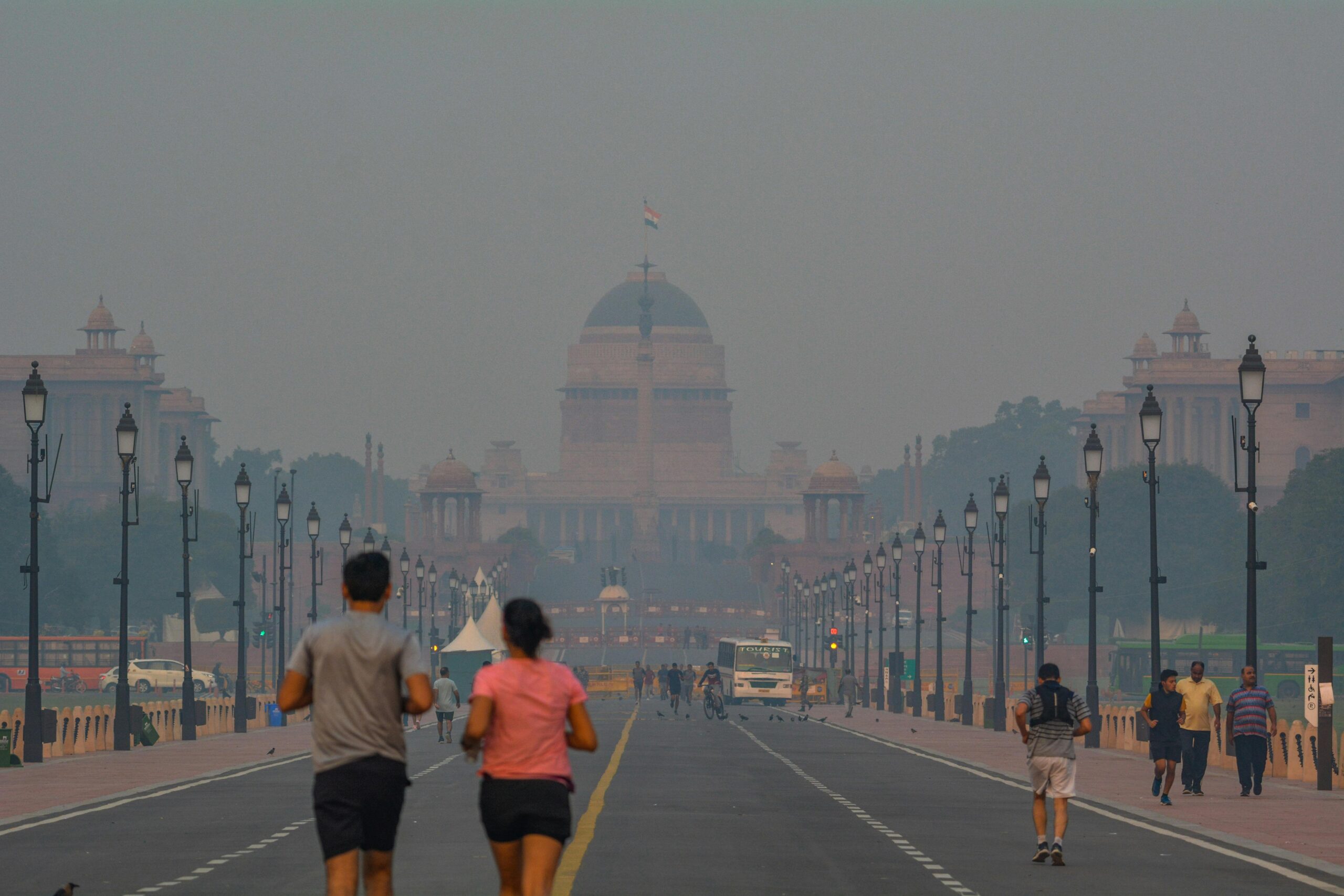
Delhi’s air pollution crisis is emblematic of urban environmental challenges worldwide, characterized by dangerously high concentrations of particulate matter and persistent exposure to toxic air, especially during winter months. In October 2025, Delhi recorded AQI levels firmly in the “Very Unhealthy” to “Hazardous” category, sparking renewed scientific and policy debates on mitigation strategies (AQI.in, 2025; […]
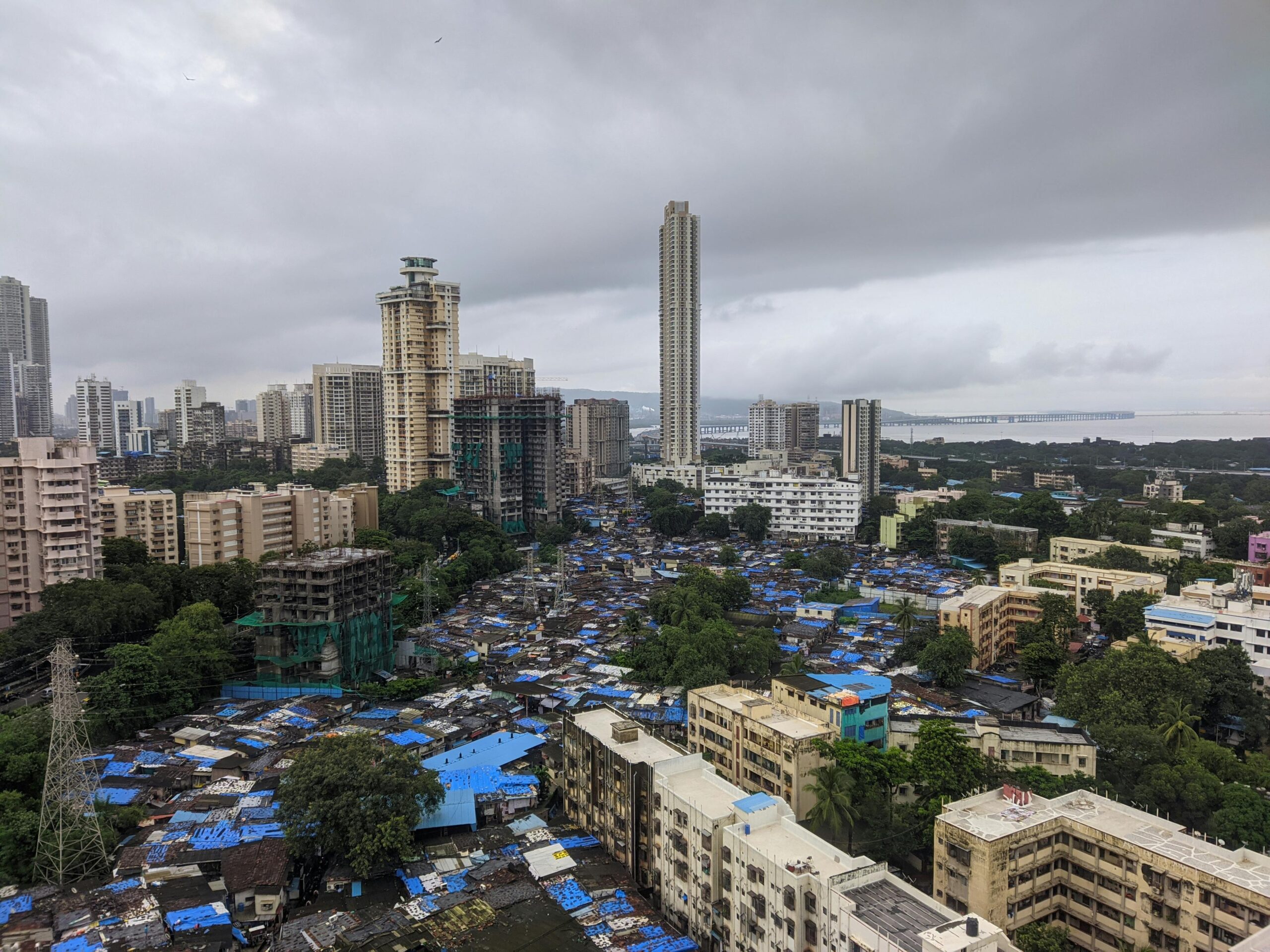
As India’s cities race toward modernization, the conversation around infrastructure often centers on visible progress—flyovers, metros, bridges, and smart grids. Yet, beneath these tangible achievements lies a quieter but equally vital foundation: the infrastructure of happiness. If the first generation of urban plans focused on connectivity and utility, the next must focus on emotional ecology—building […]
Introduction In recent years, the importance of happiness and well-being has increasingly been recognized in the context of urban development and public policy. Traditional metrics of progress, such as GDP and infrastructure indices, often fail to capture the psychological and social dimensions of urban life. India, currently undergoing rapid urbanisation, is at a critical juncture […]
By Brian Michael Barbeito Most of the sociologists or criminologists might agree, or people with plain old ‘horse sense,’ that overpopulation is the biggest problem when it occurs, the issue that contributes to the other phenomena such as crime, pollution, illness, poverty, the rise of unfairness in the distribution of needed resources. Well in today’s […]
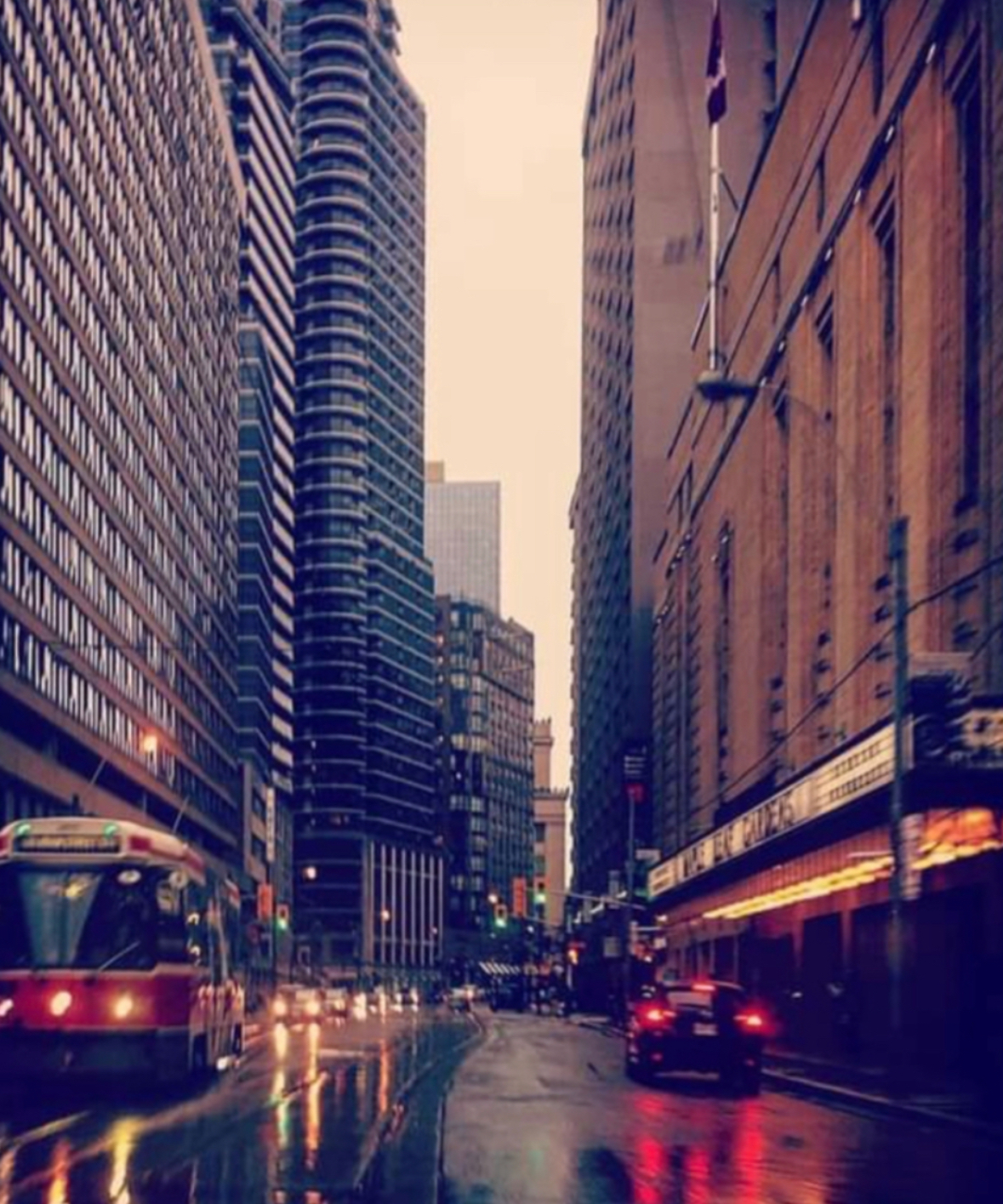
In contemporary urban environments, daily commuting has evolved into an essential yet psychologically taxing routine. Urban mobility systems, while enabling economic productivity and spatial connectivity, often impose significant mental health burdens on commuters. Extended travel times, overcrowded transit systems, traffic congestion, unpredictability, and noise pollution collectively contribute to heightened stress, anxiety, and reduced well-being. The […]
Introduction In the realm of contemporary urban planning, Urban Digital Twins and data-driven decision-making have emerged as transformative tools. Urban Digital Twins are virtual models that replicate physical urban environments, allowing city planners and policymakers to simulate scenarios, test solutions, and predict outcomes with unprecedented accuracy. When coupled with real-time data analysis, these digital counterparts […]