
Introduction
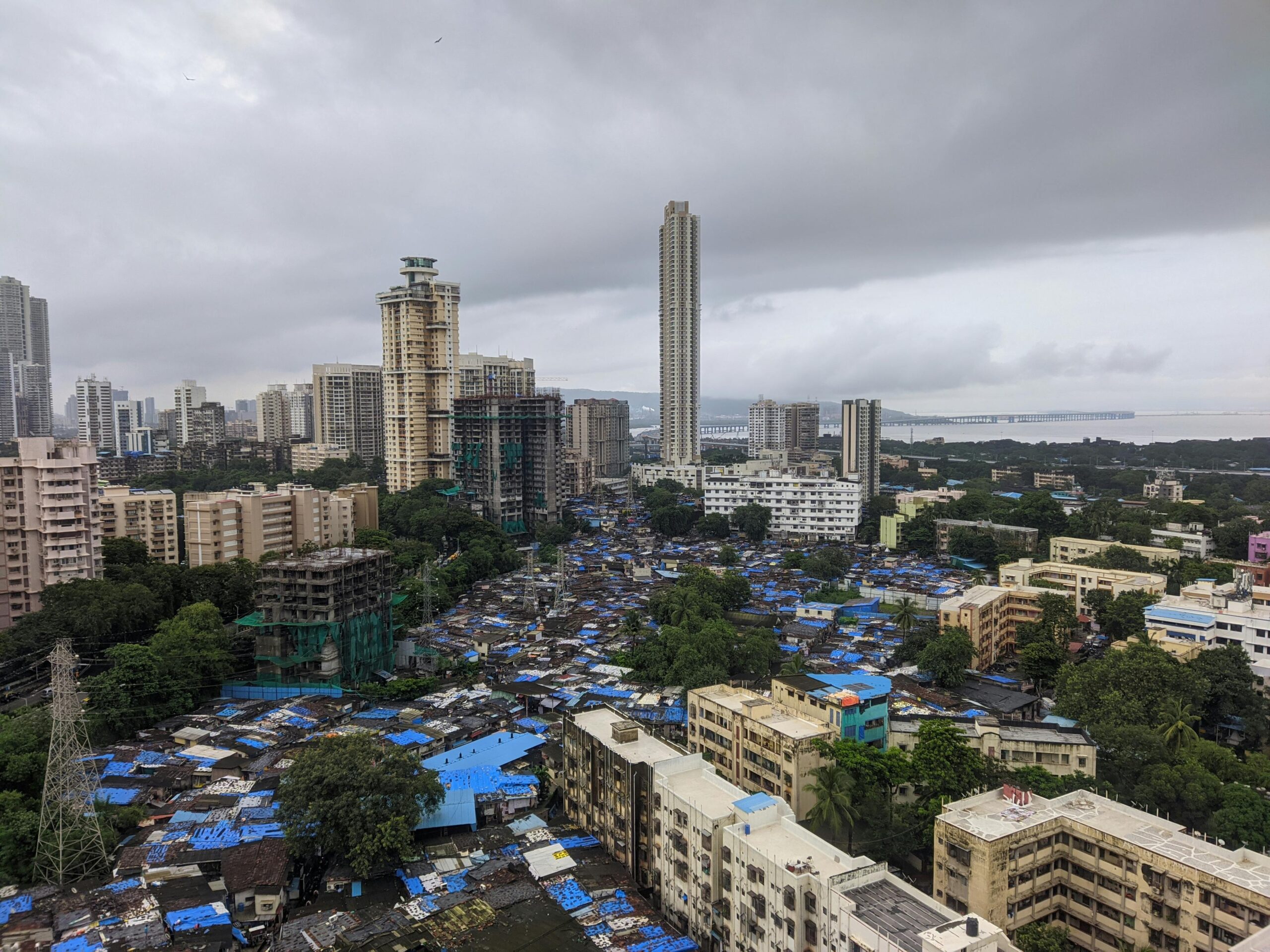
In recent years, the importance of happiness and well-being has increasingly been recognized in the context of urban development and public policy. Traditional metrics of progress, such as GDP and infrastructure indices, often fail to capture the psychological and social dimensions of urban life. India, currently undergoing rapid urbanisation, is at a critical juncture where more than 36% of its population lives in cities, with projections suggesting this will exceed 50% by 2047. The Government of India’s vision of Viksit Bharat 2047, aimed at creating a developed, inclusive, and resilient nation, therefore requires a planning paradigm that integrates human well-being and happiness alongside conventional economic and infrastructural goals.
Urban planners are increasingly called upon to expand their mandate beyond functional urban design toward creating cities that foster psychological well-being, social connectedness, and environmental harmony.
Why Focus on Urban Happiness?
The rise of mental health challenges in India underscores the need to integrate happiness into urban planning. Mental health disorders not only affect individual well-being but also impact productivity and social participation, which in turn influence the overall resilience of cities.
Happiness, while conceptually related to mental health, represents a broader framework encompassing life satisfaction, social trust, equity, and a sense of belonging. Recognizing the spatial determinants of happiness, such as access to green spaces, walkability, safety, and social inclusion, is critical for informed policy-making and master planning.
The Changing Face of Indian Urbanisation
Over the past two decades, India’s urban sector has expanded rapidly, driven by policies such as the Smart Cities Mission, AMRUT, Pradhan Mantri Awas Yojana (Urban), and Swachh Bharat Mission. While these initiatives have improved physical infrastructure and service delivery, they largely focus on functional urban metrics such as mobility, sanitation, and housing quality.
Concurrently, urbanisation has intensified socio-environmental stressors including congestion, air and noise pollution, and social fragmentation. These challenges highlight the need for a new paradigm that treats cities not only as economic engines but also as psychological habitats that influence residents’ well-being.
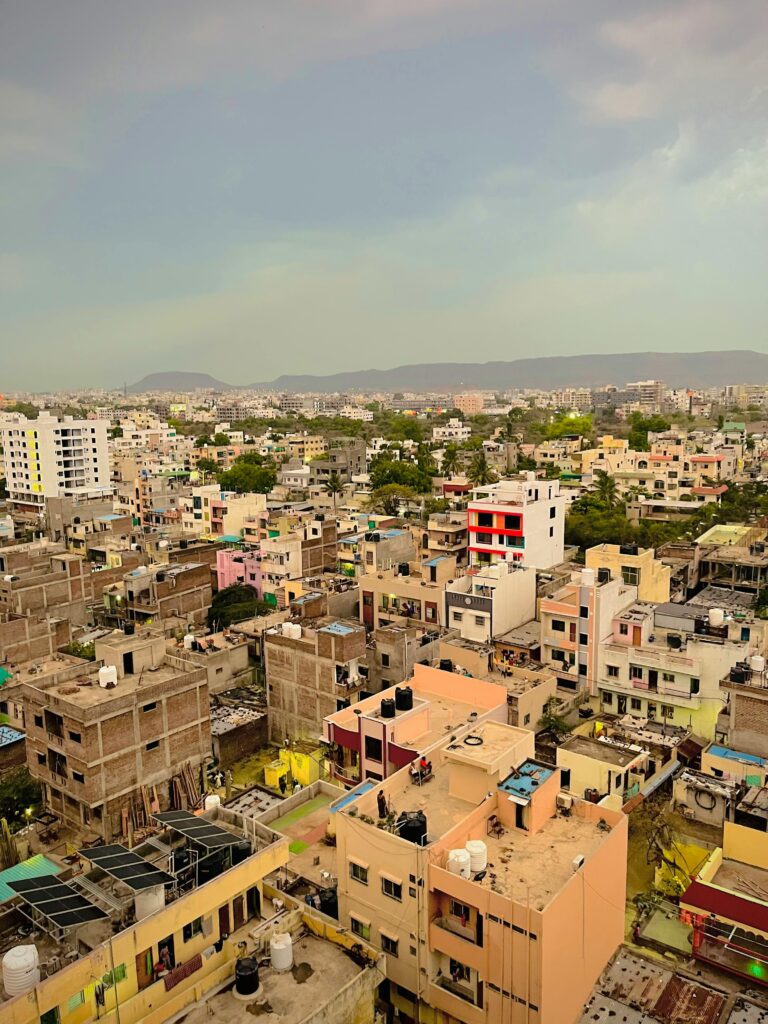
Photo by Ajay Sangle
Healthy Cities and the Happiness Imperative
The World Health Organization’s Healthy Cities movement provides a model for linking spatial planning to health outcomes. In India, programs such as the National Urban Health Mission and city-level initiatives in Pune and Chennai illustrate efforts to integrate health considerations into urban planning.
However, happiness—a multidimensional construct encompassing mental health, social trust, and life satisfaction—remains largely unmeasured in existing planning frameworks. Recognizing the spatial determinants of happiness, such as access to green spaces, walkability, safety, and social inclusion, is critical for informed policy-making and master planning.
From Macro Policies to Micro Models: Neighbourhoods as Units of Happiness
Urban happiness is experienced most directly at the neighbourhood scale. Research in neuro-urbanism and environmental psychology indicates that micro-level urban design, including walkable streets, shaded public spaces, green corridors, and social interaction opportunities, significantly impacts residents’ well-being.
A Happy Neighbourhood Framework can serve as a micro-foundation for broader master plans. Parameters such as perceived safety, social cohesion, access to green and blue infrastructure, and inclusivity of public spaces can be measured to guide policy interventions. Cities such as Bengaluru, Indore, and Pune have piloted liveability and well-being metrics, demonstrating the feasibility of integrating happiness indicators into local planning.
For example, Indore’s Urban Greens Program and Bengaluru’s Healthy Streets initiative illustrate how street trees, seating, and pedestrian-friendly interventions can enhance both physical comfort and social cohesion. These experiences show that happiness is spatially designable and measurable.
Towards a Happiness Framework for Indian Cities
To institutionalize happiness in urban planning, India requires a structured Happiness Framework that bridges spatial design, governance, and well-being outcomes. This framework can be conceptualized along four pillars:
Spatial Indicators of Well-being: Metrics such as access to green space, diversity of land use, and perceived safety integrated into GIS and planning tools.
Participatory Co-design: Engaging residents to ensure urban spaces reflect collective aspirations and behavioural insights rather than only top-down blueprints.
Intersectoral Collaboration: Linking urban planning with public health, mental health, and environmental management. Collaboration among urban authorities, health departments, and academic institutions can generate evidence-based policies.
Monitoring and Evaluation: Embedding subjective well-being and mental health metrics into urban evaluation frameworks to ensure cities are assessed on both economic and emotional outcomes.
These pillars can guide the development of Happiness-Inclusive Master Plans, providing a framework for evidence-based, human-centric urban design.
The Planner’s Role and Ethical Imperatives
The 21st-century urban planner must function as a well-being architect, designing emotional ecologies in addition to physical infrastructure. This role requires interdisciplinary knowledge across psychology, behavioural science, public health, and urban design. Planning interventions should prioritize human-scale interventions such as shaded streets, community plazas, and participatory public spaces, balancing efficiency with empathy and social cohesion.
Conclusion
India’s vision of Viksit Bharat 2047 necessitates cities that are not only efficient and economically productive but also psychologically restorative and socially cohesive. Embedding happiness in urban policy is essential for sustainable, inclusive, and resilient cities. By focusing on Happy Neighbourhoods as the foundational unit of urban planning, India can cultivate cities that care, connect, and enhance human flourishing.
Happiness should therefore be considered not as a soft variable but as a central metric for assessing urban vitality and sustainable progress.
UrbanHappiness #WellbeingInCities #HealthyCities #CityWellbeing #MentalHealthMatters #HappinessByDesign #LiveableCities
Author: https://www.linkedin.com/in/aseshsarkar/
Cover Photo by Rafijul Momin