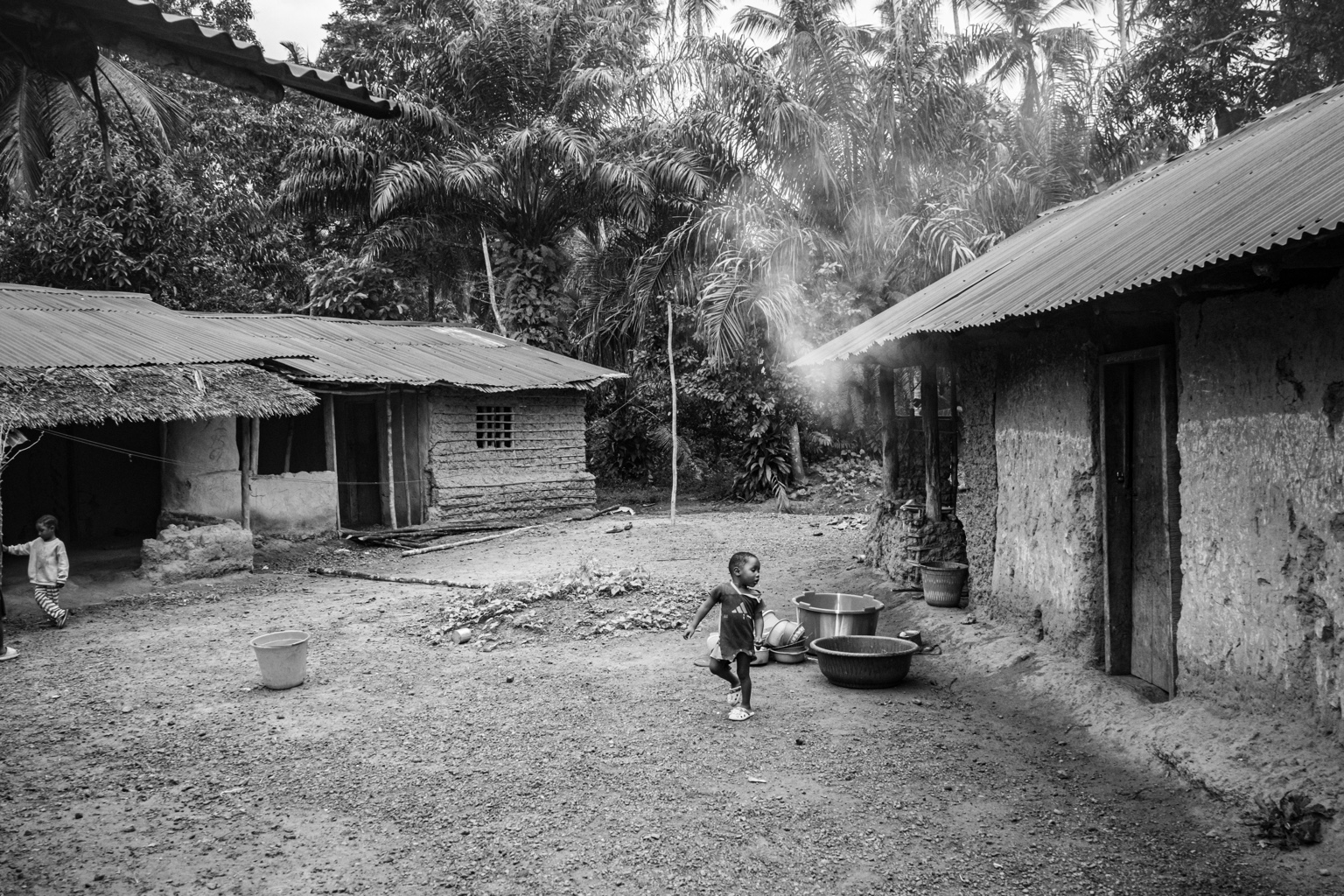
Cover photo: Daily life in Massatin, Grand Cape Mount County, Liberia. Credit: Fer Mugica.
A photographic essay by Fer Mugica, a Spanish documentary photographer based in Copenhagen.
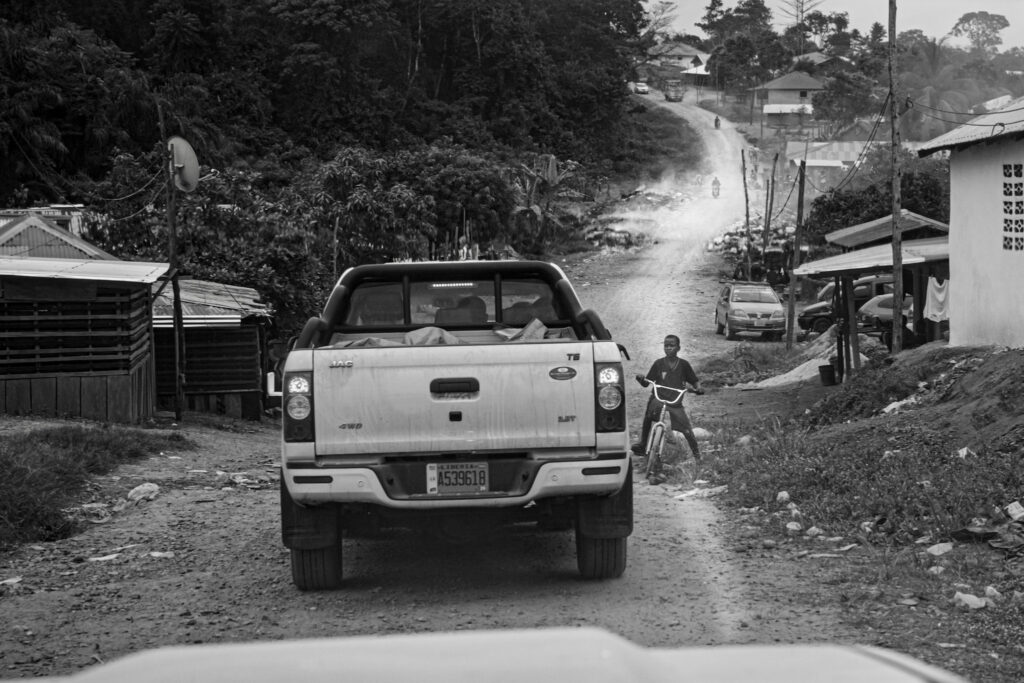
Liberia, beyond the road
Shadows of the forest
Deep in Grand Cape Mount County, the road narrows and the forest closes in. Dense palms, red earth and scattered homes replace the noise of Liberia’s towns. The country’s recent history carries the scars of war, displacement and fragile infrastructure, legacies still felt far beyond the capital.
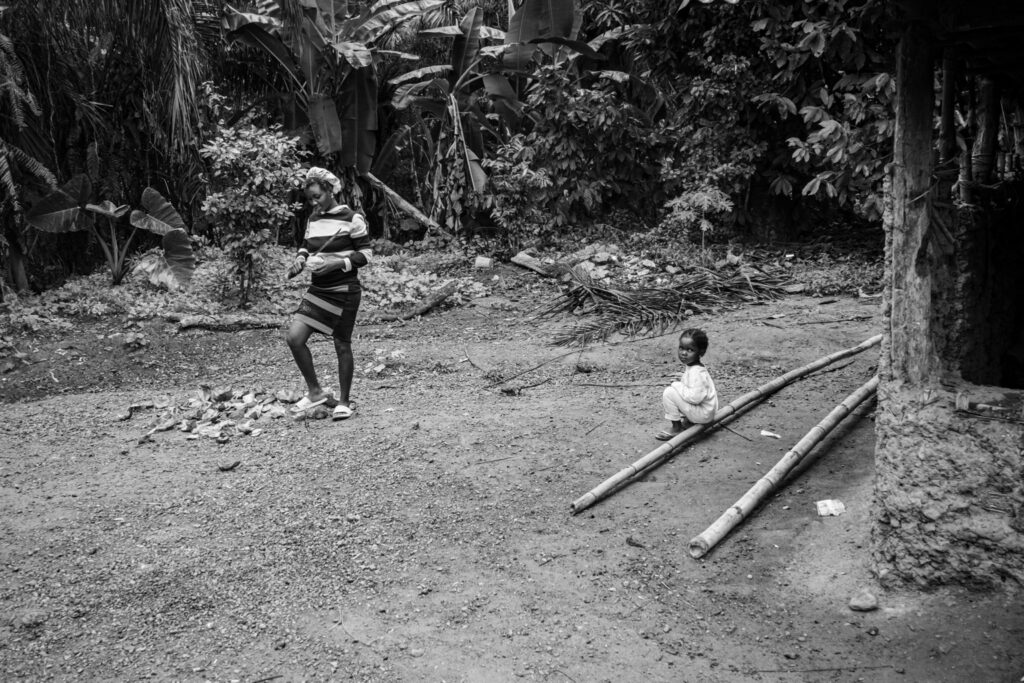
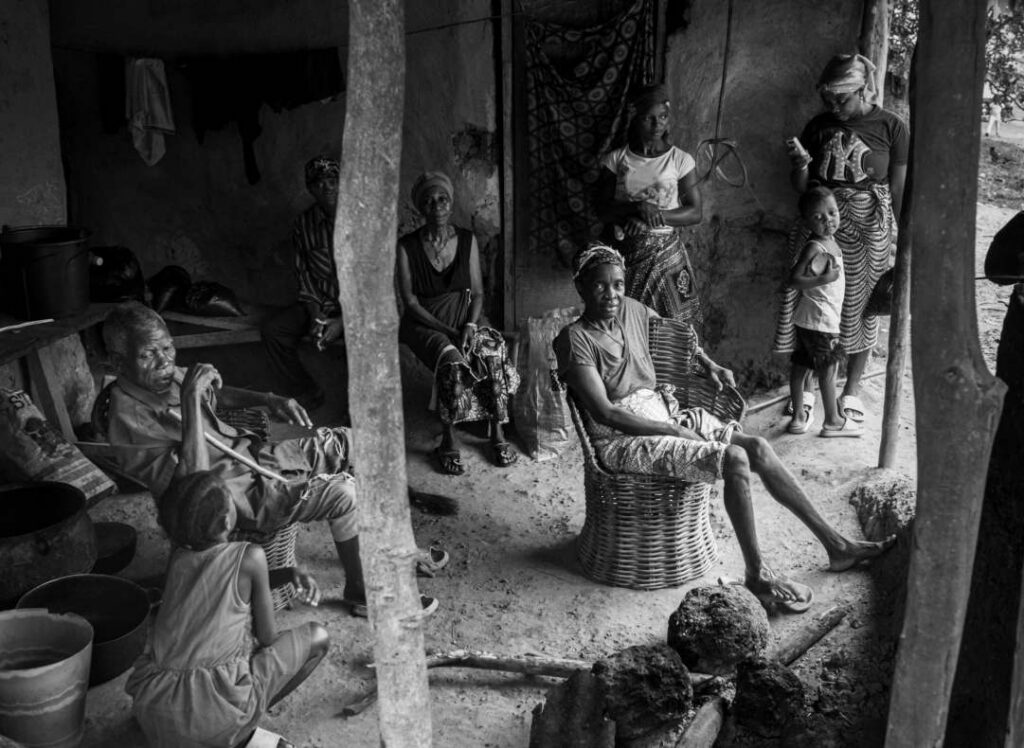
But life here cannot be reduced to hardship. It is held together by work, family, faith and a quiet strength: children crossing open yards, neighbours sharing the shade, and people forging a home in places the outside world rarely sees. In that distance there is isolation, but also an unexpected sense of peace and community.
This is a journey inside Massatin, Liberia’s isolated community for leprosy survivors, where decades of stigma meet quiet resilience.
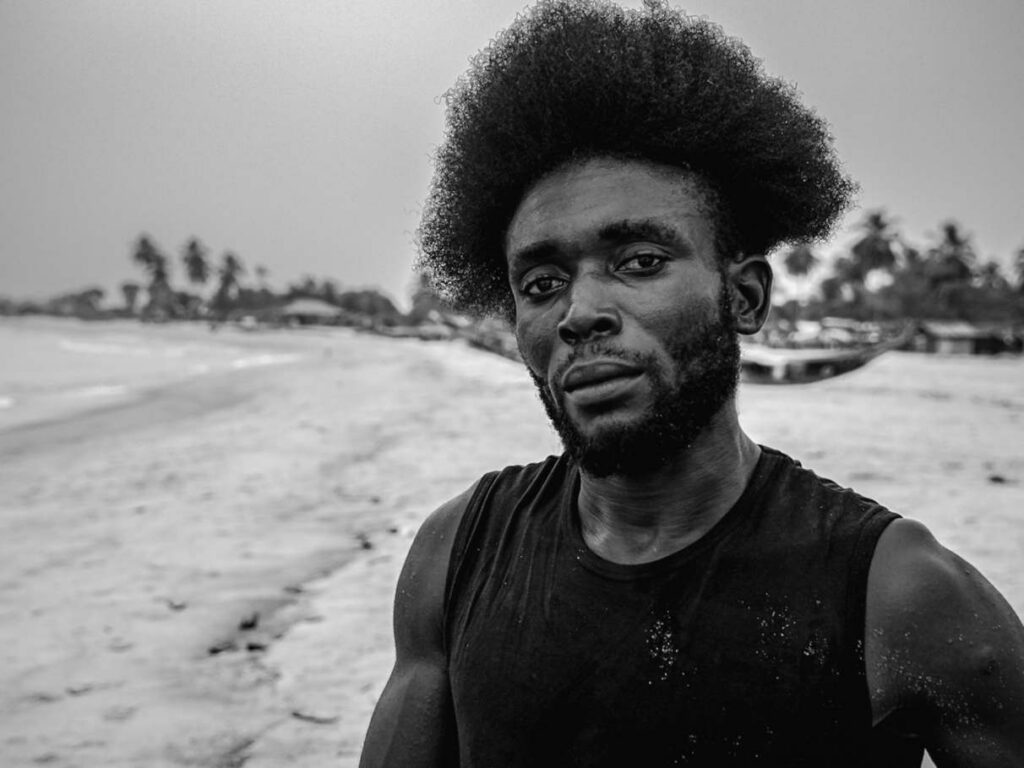
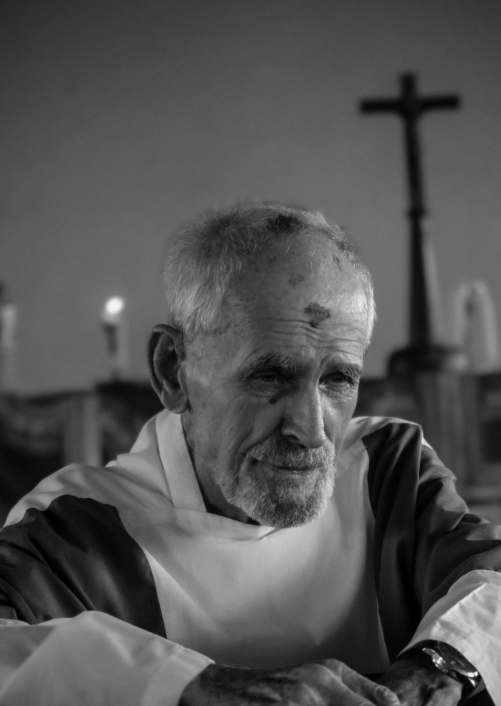
Father Gareth Jenkins
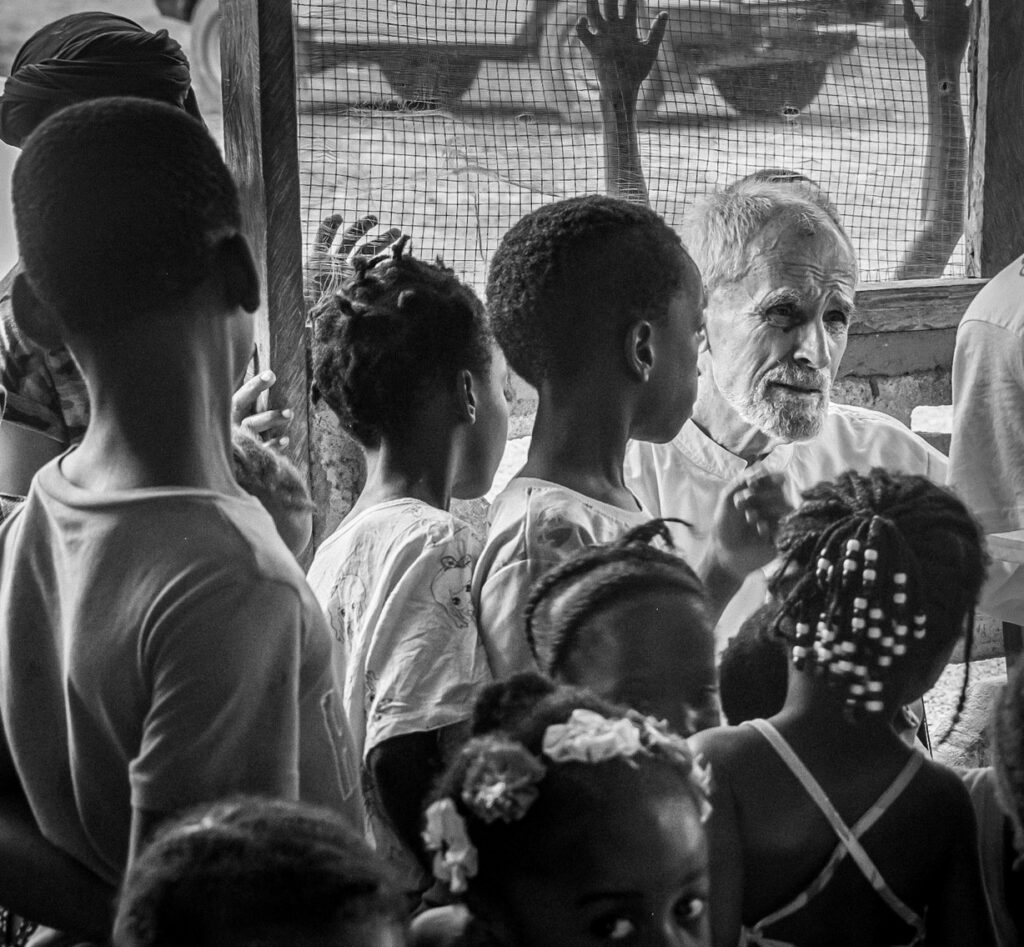
Gareth Jenkins arrived in Liberia in 1973. For more than five decades, his life has been shaped by providing education, rebuilding after the country’s civil wars, and a sustained commitment to communities overlooked by the outside world.
In Massatin, that commitment becomes visible through his presence and consistency: walking the village paths, sitting with residents and listening to their stories. He is a figure not above the community, but within its daily rhythm, surrounded by children, pausing to speak, and offering the time and attention that isolation too often denies.
For people whose lives have been marked by rejection, being remembered matters. Jenkins cannot erase the consequences of illness or decades of stigma, but his presence affirms something profound: that each life remains worthy of attention and dignity.
His story is also a testament to those who stay, listen and bring visibility to people and places too easily forgotten.
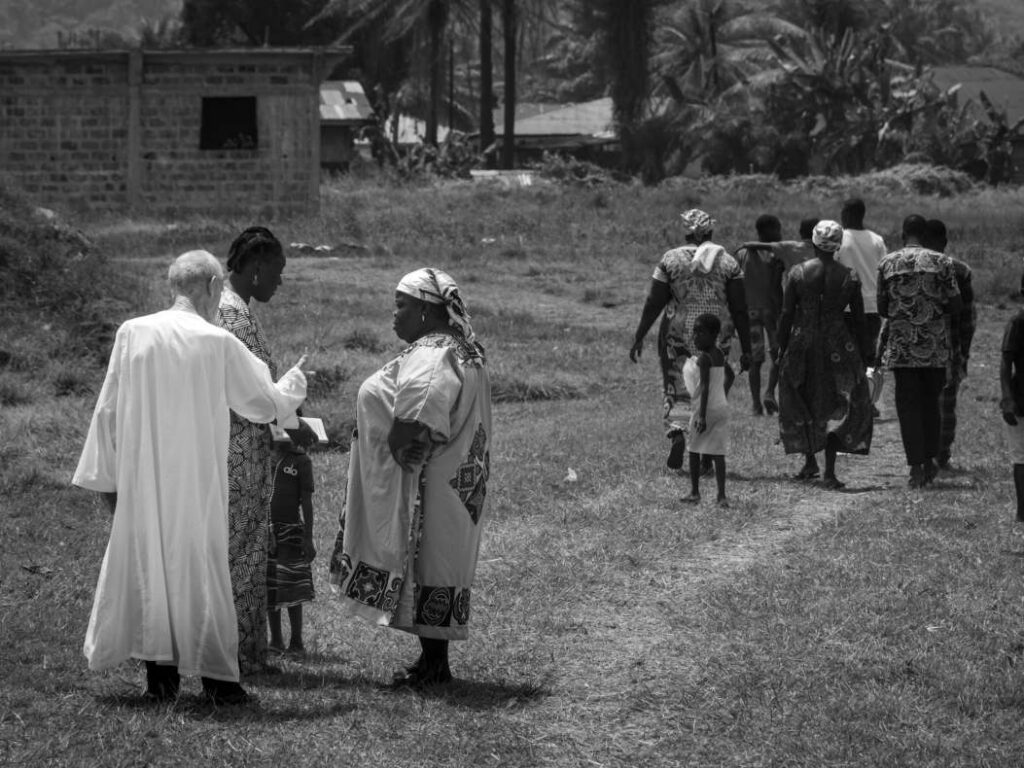
Massatin
A place of isolation, memory and unexpected peace.
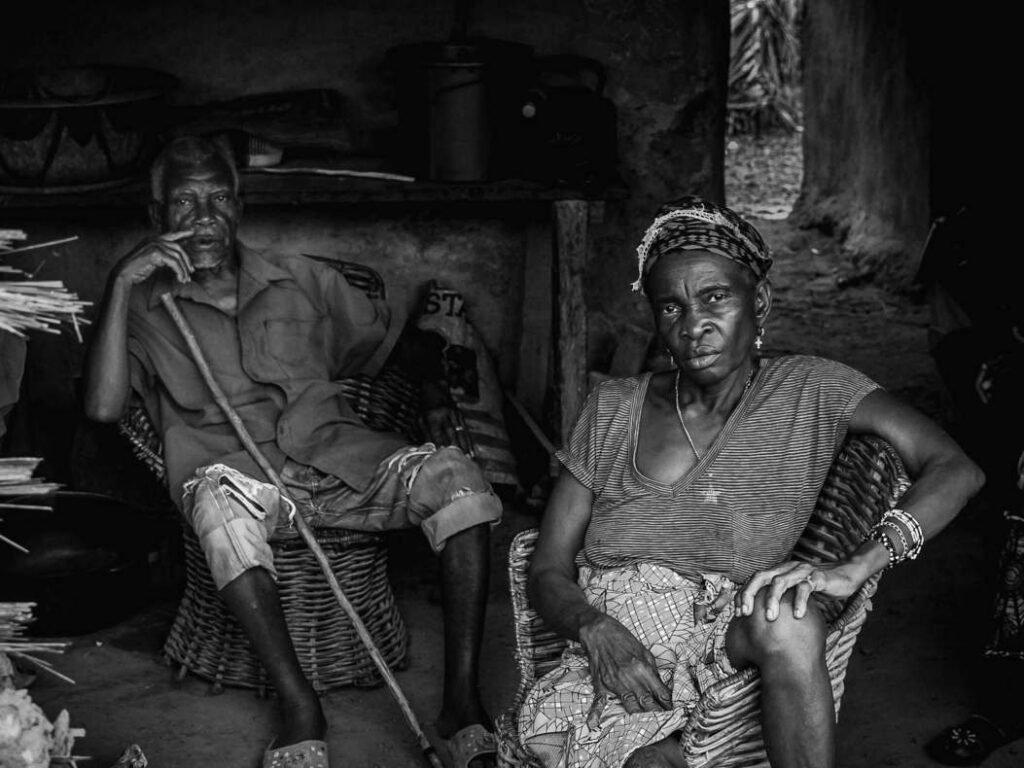
Within Liberia’s tropical forest, away from the main roads, lies Massatin. The settlement was founded as a refuge for people affected by leprosy and became home to men and women shunned elsewhere. Their isolation was not only geographical: it was reinforced by fear, stigma and exclusion.
Leprosy is curable, but its physical consequences and the prejudice attached to the disease can last for decades. Limited resources and basic housing continue to shape life here, alongside unequal access to clean water and healthcare. During his time in Massatin, Jenkins’ connection with residents is expressed through ordinary acts: arriving, listening and sitting beside people in a place others have often chosen not to see.
And yet Massatin is not defined only by what it lacks as there is a striking calm and harmony. Neighbours sit together in the shade, children move freely between homes, and time seems to follow a gentler rhythm. Laughter and conversation coexist with visible hardship. The peace found here does not erase the past; it reveals the dignity, closeness and resilience that have endured alongside it.
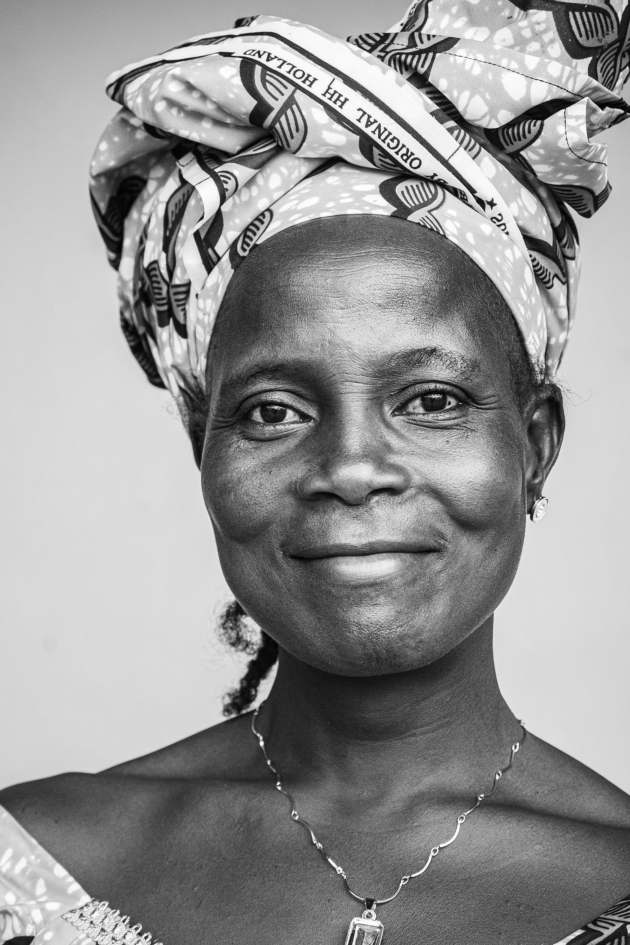
A young resident of Massatin
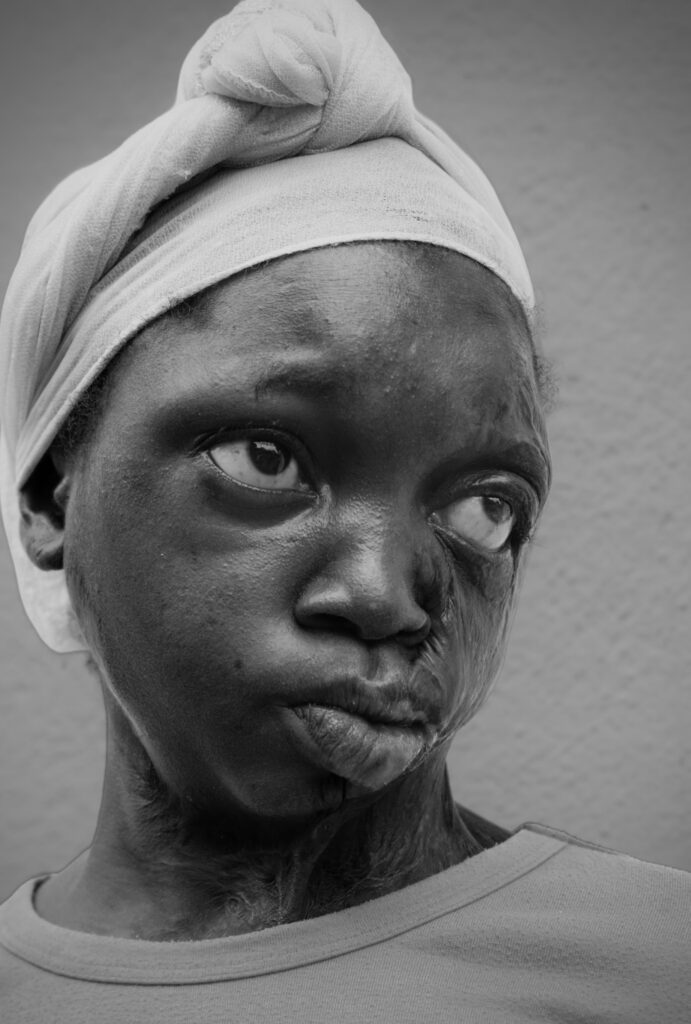
A 12-year-old resident of Massatin. After developing leprosy, she was abandoned by her family. Her portrait asks to be encountered first as a child and not defined by the illness or stigma that have shaped her young life.
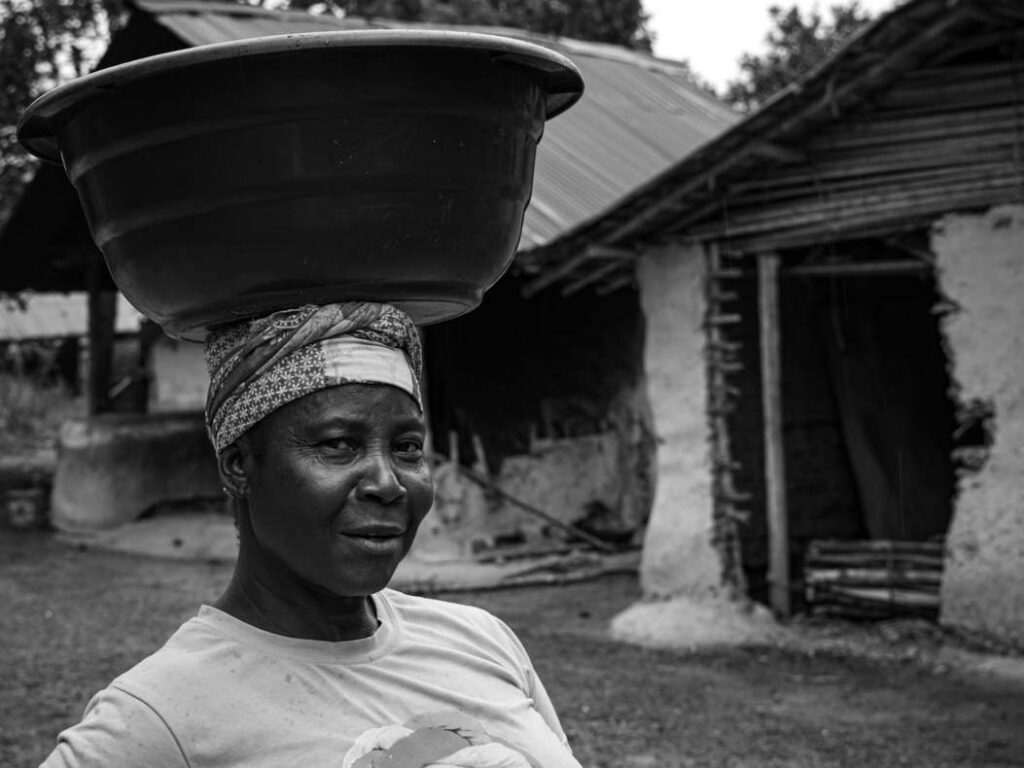
About the photographer
Fer Mugica is a Spanish documentary photographer based in Copenhagen. MASSATIN was photographed in Grand Cape Mount County, Liberia, in February 2026. See more of his work at fermugica.com and on Instagram at @fer_mugica.