
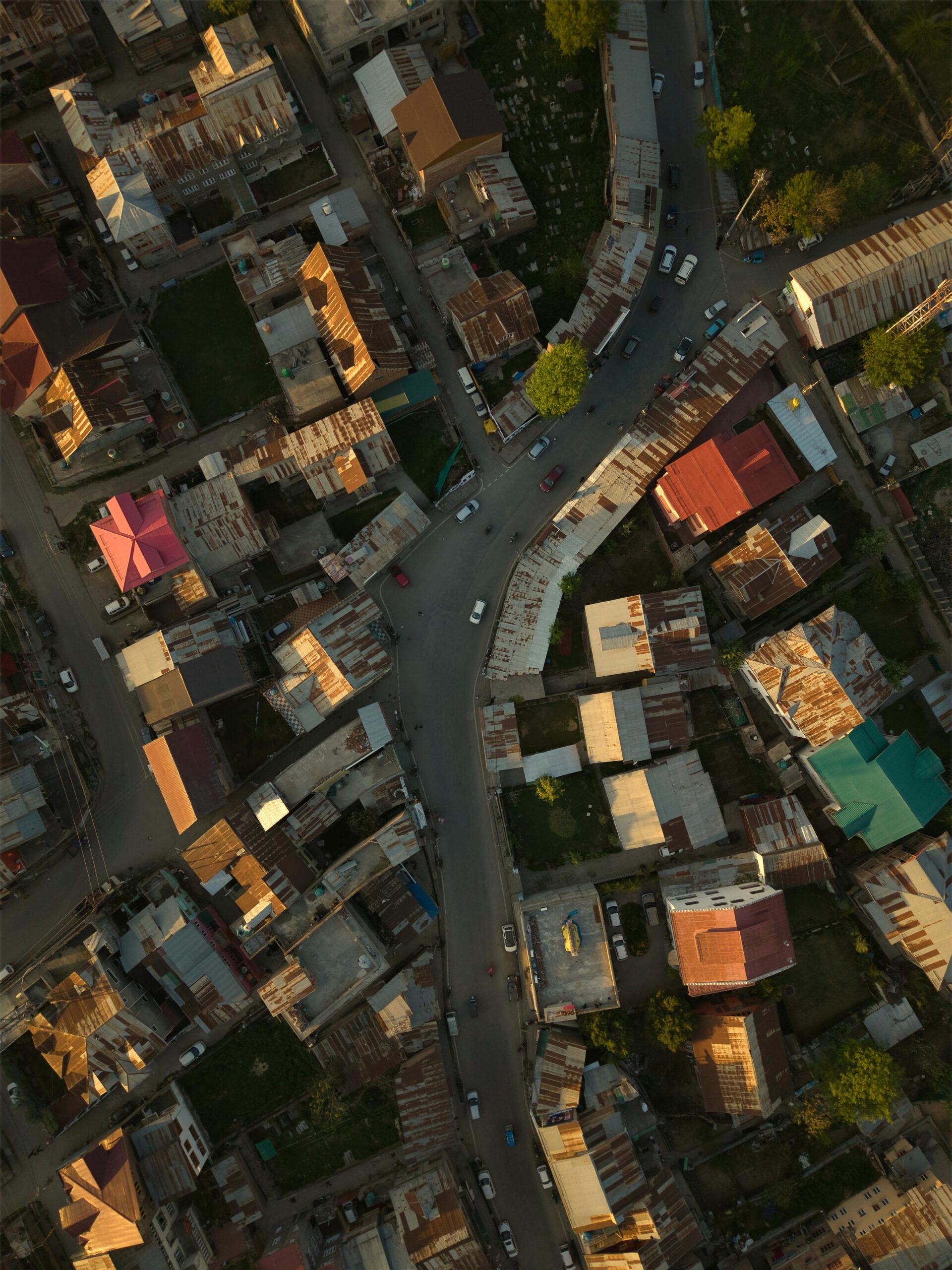
As India stands at the cusp of a transformative urban century, the upcoming Census 2027 promises to be one of the most significant sources of data for shaping the nation’s urban future. With an expected population of over 1.5 billion, India is not only the world’s most populous country but also among the fastest urbanizing. The 2027 Census India’s 17th decadal count—will be pivotal in steering data-driven urban planning, enabling policymakers, planners, and researchers to design cities that are inclusive, sustainable, and resilient.
Why Census 2027 Matters More Than Ever
Urban India is at a crossroads. From the growing burden on infrastructure and housing to climate-induced challenges, the complexity of managing Indian cities demands a granular understanding of population dynamics, migration trends, household characteristics, and urban sprawl. Census 2027 is expected to provide precisely that a rich, updated, and spatially referenced dataset capturing the evolving demographic and socio-economic contours of the nation.
Key Contributions of Census 2027 to Urban Planning
1. Redefining Urban Boundaries
Census 2027 may adopt improved definitions and methodologies to identify “urban areas,” moving beyond outdated criteria such as population size and density. This will help recognize census towns, peri-urban areas, and emerging urban clusters, enabling better integration of these areas into master plans and infrastructure schemes.
2. Micro-Level Data for Evidence-Based Policies
From ward-level population profiles to household-level amenities, the census will allow for micro-targeting of policies crucial for programs like the Smart Cities Mission, AMRUT, PMAY, and Jal Jeevan Mission. Planners will have access to real-time data to address infrastructure gaps, improve service delivery, and promote equitable urban development.
3. Tracking Migration and Urbanization Trends
Post-COVID migration patterns have reshaped urban landscapes. Census 2027 will help analyze push and pull factors, track circular and seasonal migration, and guide future decisions on affordable housing, public transport, and employment hubs in Tier 2 and Tier 3 cities.
4. Gender and Social Equity in Urban Design
Disaggregated data on gender, age, disability, caste, and economic status will inform inclusive design standards. It will empower planners to integrate universal access, safety audits, and gender-sensitive infrastructure in urban development plans.
5. Planning for Urban Health and Climate Resilience
The rising impacts of climate change and urban health crises necessitate planning that is both adaptive and preventive. Census data can assist in mapping vulnerable populations, heat-stressed neighborhoods, and overcrowded housing forming the basis for interventions in urban health, greening, water supply, and disaster risk reduction.
6. Integration with Geospatial Platforms and Digital Planning
If aligned with the Digital Census initiative and India’s National Geospatial Policy, Census 2027 could provide spatially tagged datasets that integrate seamlessly with GIS platforms and urban observatories. This would modernize urban analytics, allowing cities to build digital twins, simulate future scenarios, and manage land use more efficiently.
Toward a Smart and Equitable Urban India
Census 2027 isn’t just about counting people; it’s about understanding them—where and how they live, move, and aspire. It will be an indispensable tool for national and state governments, urban local bodies, and private sector stakeholders working toward SDG 11 (Sustainable Cities and Communities) and India’s Vision@2047.
But the value of this census will depend on two critical factors: timely data release and public accessibility. The need of the hour is to ensure that the data is open, interoperable, and easy to visualize—fueling not just governance but also innovation and civic engagement.
Image: Imad Clicks
Write for UFI
Have a story about cities? We publish articles and photo essays from researchers, practitioners and photographers.
Pitch us at contact@urbanfrontierinsights.com