
Anum’s growing passion for the arts led her to transition into the artistic field, where she explores her ancestral roots and storytelling through her work. Trained in Indo-Persian Miniature art, she holds an M.Phil. from the Indus Valley School of Art and Architecture (IVS). Anum has showcased her art in exhibitions such as Anti-Colonial Maps for Lost Lovers in Casablanca (2025), Gravity Art Fest (2025), NRW Together (2024), and Spiritual Reflections in Dubai (2024). She also completed a residency with Hic Rosa in 2023. Her art continues to delve into themes of cultural identity, memory, and narrative.
Alongside her artistic practice, Anum’s recent project critically investigates the gendered politics of urban spaces, focusing on women’s navigation of public and private realms in contemporary cities. Through this work, she aims to deconstruct patriarchal spatial structures and explore new possibilities for inclusive and equitable urban environments.
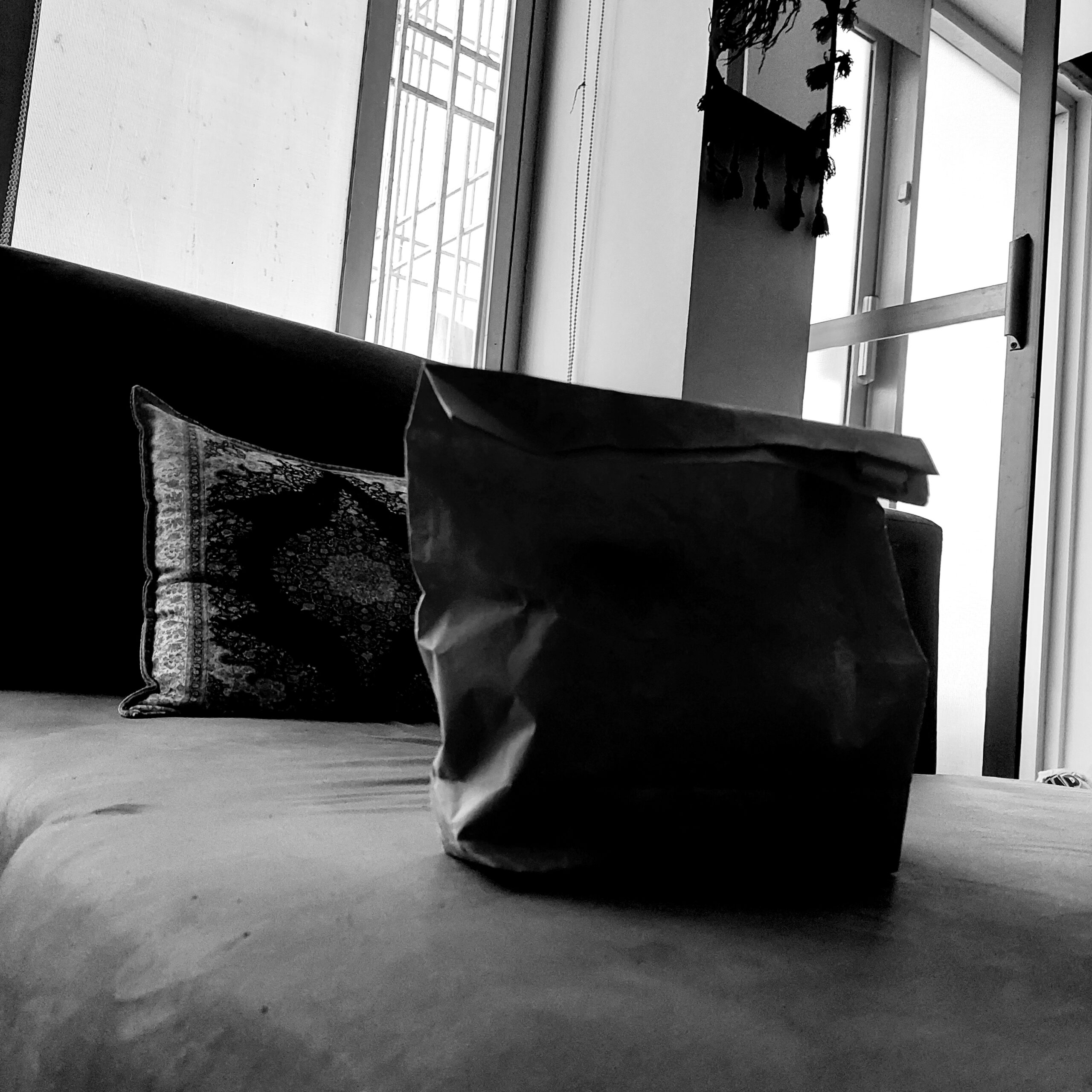
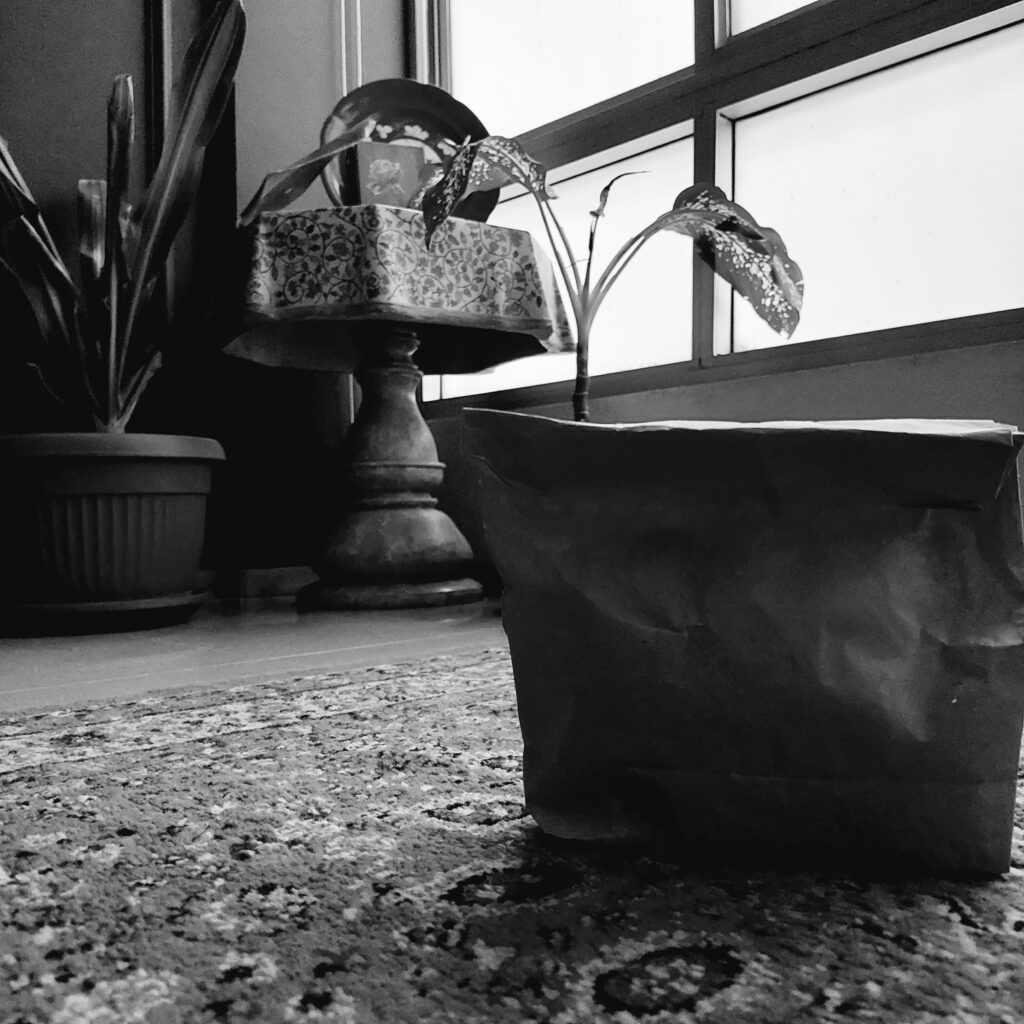
Brown bags in Private Urban Spaces
By Anum Sanaullah
Living in urban spaces comes with its own set of challenges. Being a woman navigating between the private spaces and the public sphere, becomes even more complex when you live in a society

that sees you for your gender. Living in Karachi for many women is a constant effort to own their space, to create more space and to enter no-entry spaces. The complex assemblage of gender inequities necessitates a holistic examination of a woman’s place, taking into account the politics of place at many and linked stages within and outside the household. It is ironic how home is considered as ‘the woman’s domain,’ yet sometimes there is no allocated space to ensure her privacy in the house. She is assumed to have complete power and authority over the house, even though most often she doesn’t have control over her own time, body, or even expression. She therefore can become an object employed to fulfill certain roles and whose behavior, movement, and individual traits can be controlled.
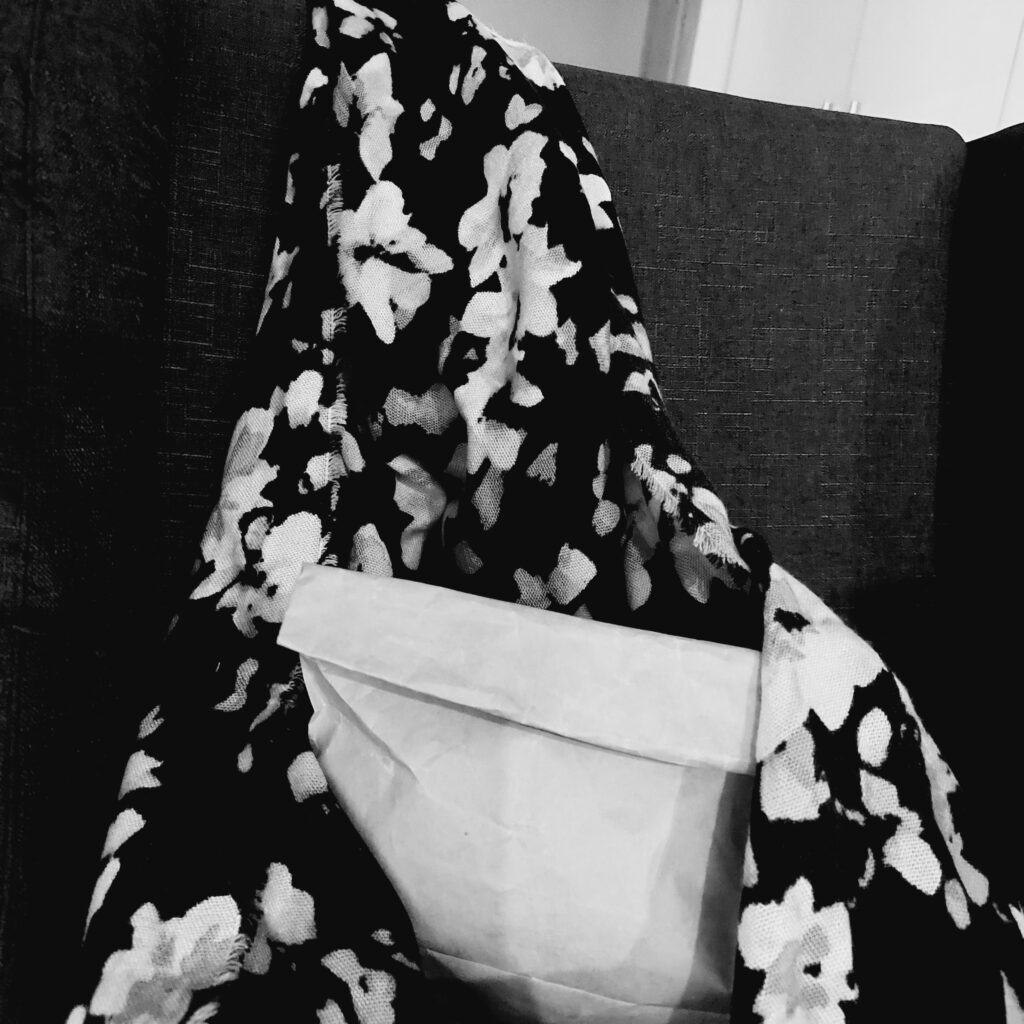
A walk through public and semi-public spaces reveals a male/female spatial identity that is fundamentally visible in popular space construction that proves to be oppressive, homogenizing, and reductive. Oftentimes the clear division between the assumed gender roles can easily be gauged by deconstructing both visible and invisible boundaries; by using spatial metaphors, closed and open places, doors and windows, thresholds, public and private areas.
As a result, the architectural space becomes standardized, a phenomenon that inherently creates an illusion that we can not appropriate, belong to, or change. It is through this standardization existing power dynamics are reinforced and thus regenerate space’s patriarchal character, and on the other, it creates an atmosphere that reinforces existing power dynamics and therefore restores the patriarchal character of space. We project our innermost wants and conscious and unconscious ideals in space, just as much as a location is a product of our culture. The obvious result would be a spatial reproduction of power dynamics: women are subordinated to economic and social norms, and the house, the adjacent street, and even the vicinity of the compound serves to reinforce that subordination. She has to hide, make herself small, and be unseen so as to not disrupt the structures.
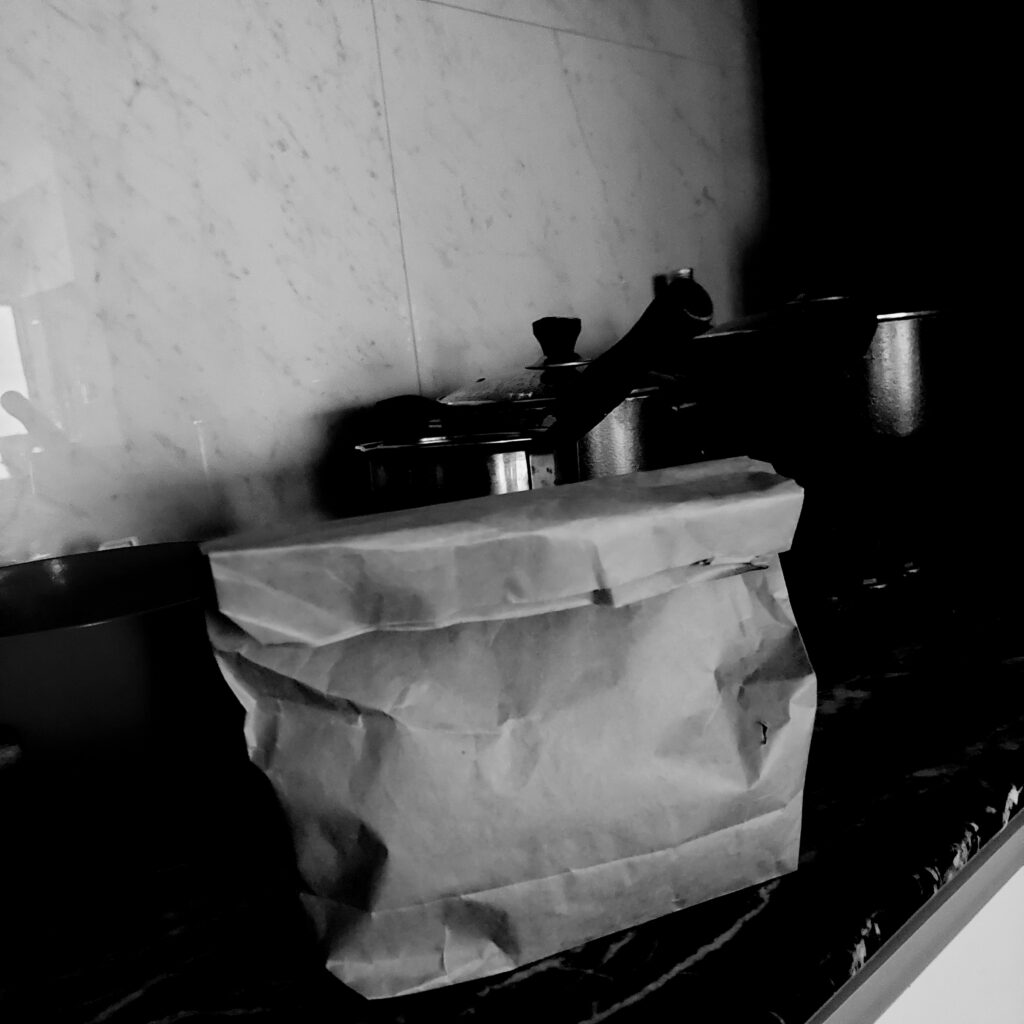
The conversation below raises the patriarchal issues inherent in visible and invisible structures of the urban living spaces. It highlights the power dynamic and patriarchy, household tasks and spatial boundaries, and attempts to deconstruct social relations and politics. “Gender” most often a set of socially constructed characteristics, and through this investigative theoretical dialogue, spaces and places are gendered in two architecturally different buildings. It highlights gendered spaces exclusive to the genders and the intermediate spaces between the two. In an urban society, a woman carrying the honor and dignity on their shoulders particularly when can not be directly attributed to a community, which is controlled mobility and gendered access to space through violent and non-violent ways in which gender binaries are regulated becomes even more troublesome to comprehend. Something that is being followed blindly.
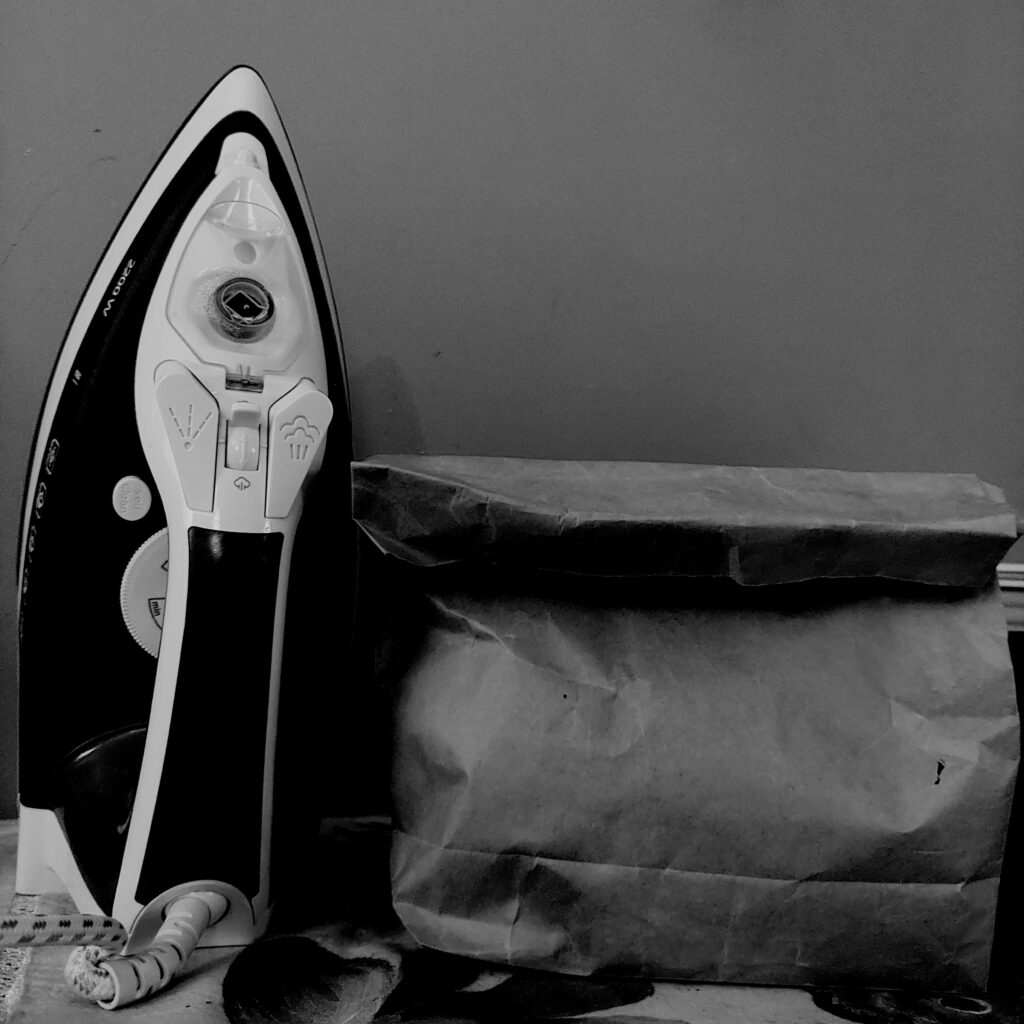
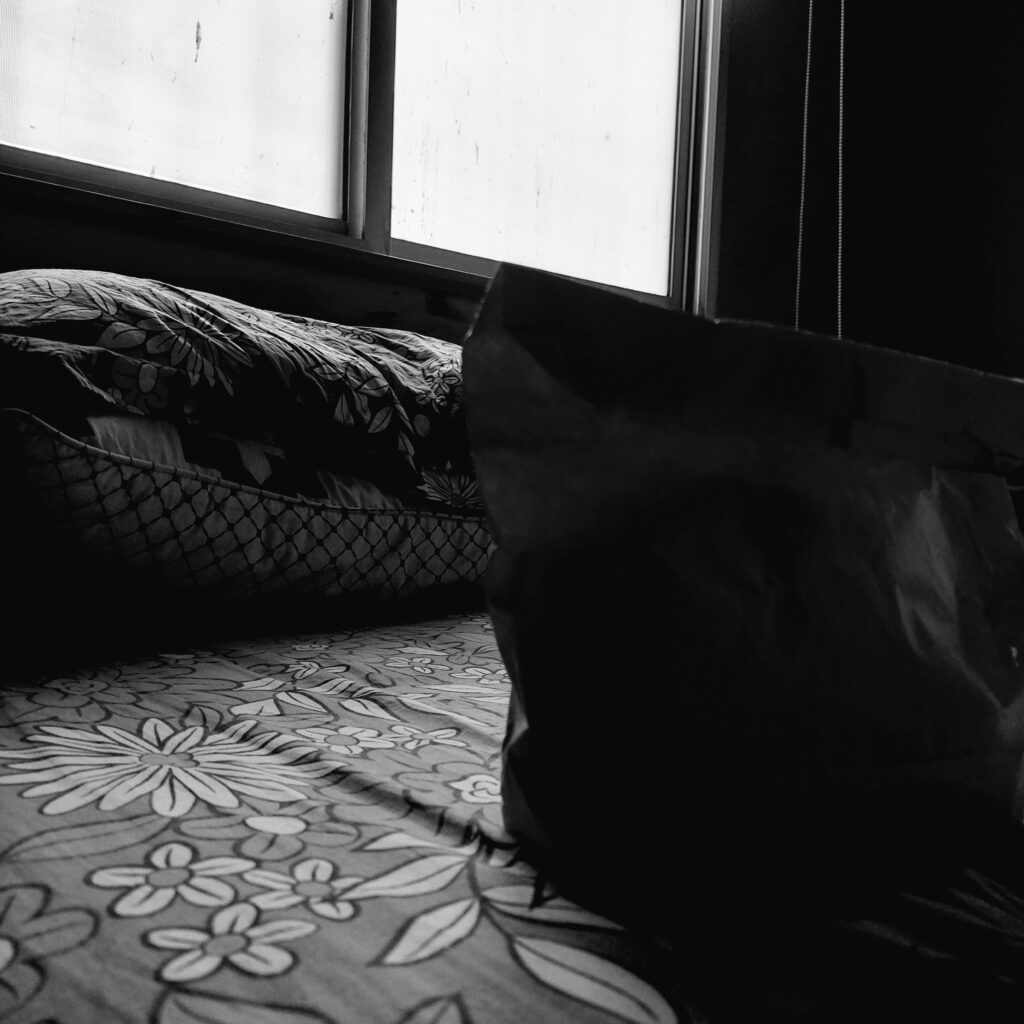
The success of these patriarchal structures depend on the woman’s inability to keep command over her movement. Furthermore, the windows and even the time of the day become significant, particularly because they distinguish between private and public spaces. The mainstream capitalist patriarchal system controls the production of space across public, private and semi-public facilities. Whether deliberately or unconsciously, imitating the system’s production of space, makes gender, amongst other things, an implicitly required character of the space itself. In this way, we can see that the gendered aspect of space is not accidental but rather a product of the system, which drives our bodies, thoughts, and behaviors. Only by deconstructing these inherent yet invisible patterns and structures ingrained in how we consume space can we find ways to break away from them – enabling us to fight another instrument of patriarchal and economic power structures imposed via spatial guidelines.
Insta handle: https://www.instagram.com/chappalxanum
Text, Image, Audio and Video Copyright @AnumSanaullah
Write for UFI
Have a story about cities? We publish articles and photo essays from researchers, practitioners and photographers.
Pitch us at contact@urbanfrontierinsights.com